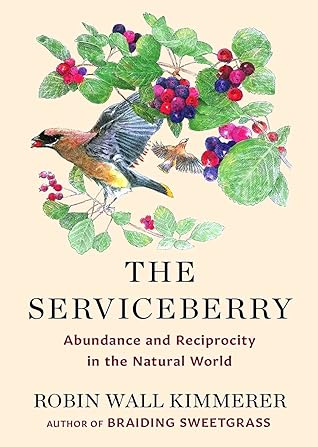
A gentle but powerful essay that will endure. I like to think we’ll look back on it and say, “This was part of what realigned the thinking, strengthened the people’s hearts, and spurred the creativite call to arms to make the changes that we did. And look what it’s done. Look at our beautiful world.”
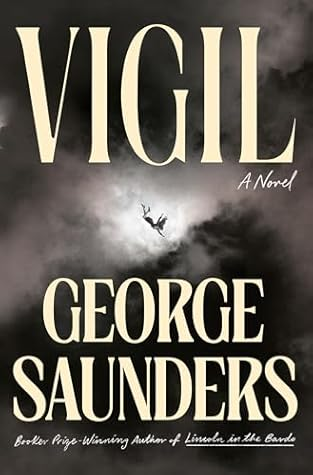
VIGIL brings us more Saunders ghosts and not-ghost-ghostlike things, but this time in a hyper-intimate scope that reminds me both of Our Town and A Christmas Carol but is something else entirely. I laughed aloud and fought back tears, nodded in familiarity, and sparked with rage. Such a challenging moral confrontation of a book that also remains viscerally grounded. I’m thirsty for true originality and strangeness in my reading. VIGIL delivers it in spades.
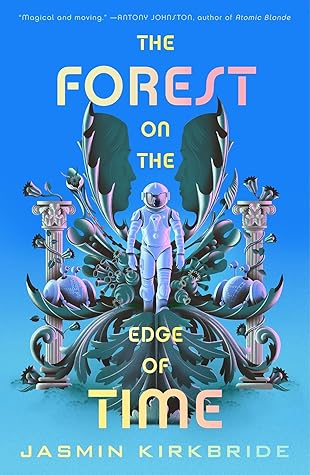
Jasmin Kirkbride’s THE FOREST ON THE EDGE OF TIME is wonderfully ambitious. This is a book that believes anything could be possible, and in that way it functions as its own piece of time travel, rewriting the script of our future thinking to have faith in small, persistent, collective actions. The technology is fantastically quirky and the emotion real… I like how well Kirkbride captures the way banality and sustained effort are just as key to transformative breakthroughs as genius is. Lovely book.
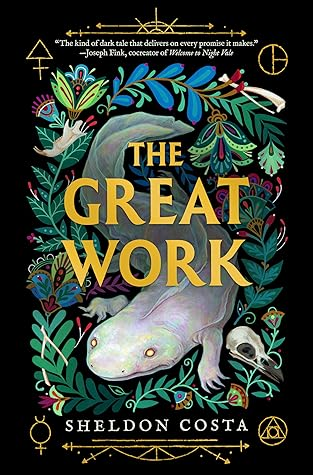
The weird weird West comes for a grieving man and the nephew he didn’t know he had in Sheldon Costa’s THE GREAT WORK. This book reads as a classic western adventure with a dash of the arcane and one gigantic salamander who may be the key to immortality or perhaps mankind’s reckoning as he slimes his way through the nightmares of madmen, utopians, fortune-seekers, and militants. Especially enjoyed the exploration of intense platonic love as the emotional groundwork of this story with massive philosophical stakes.
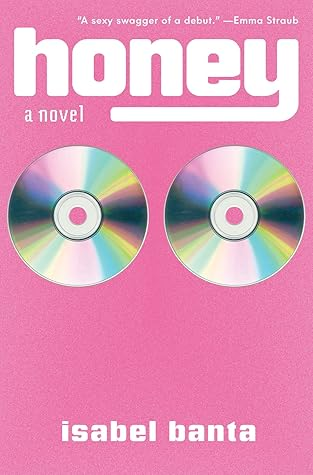
Isabel Banta’s HONEY brings us back to those covers of YM and Seventeen when the age of teen pop stars sold us the music of Britney, Christina, and all the rest. In the story of her lead character Amber Young, Banta synthesizes so much about that era. The way adolescents were commodified and marketed. The way their sexuality was simultaneously manufactured, policed, begged for, and ruthlessly criticized. The ravenous fans, paparazzi, and executives all looking for their piece of the star. As her characters messily find their way into adulthood backstage, Banta affirms a message we never got to hear at the turn of the millennium: a woman’s body and all its expressions of desire are not the moral property of anyone but herself.
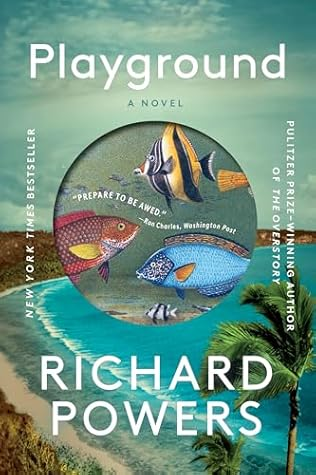
The blurb on the center of the paperback cover for Richard Powers’ novel PLAYGROUND says “Prepare to be awed.” And all I have to say is… PREPARE TO BE AWED.
Language to ease into like the warm waves of a tropical sea. Hurt that stings like Chicago sleet on a chapped face. Astonishing storytelling that had me holding back tears, rocketing through the final hundred pages completely unaware of what was happening around me. Makes the monstrous triumphs of technology very personal–Powers has put us all on a clock. I was awed.
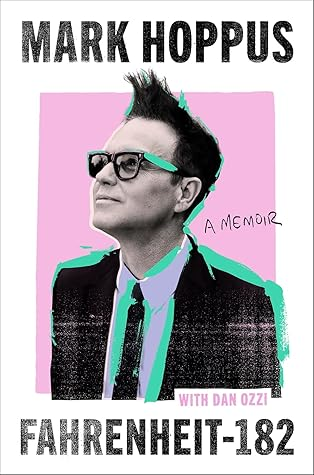
This is a book about a guy named Mark. He’s in a band. I love Mark and I love his band. So naturally, I loved this book, which is nothing more and nothing less than Mark being Mark, telling us stories the same way he tells them in his songwriting–flippant and dead serious, obnoxious and breathtaking, fast, fun, and honest.
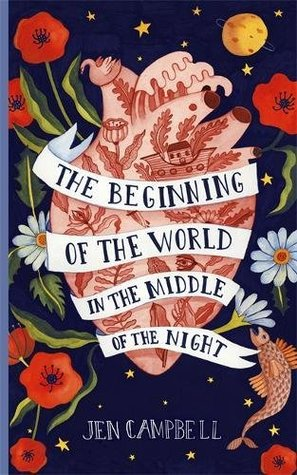
Playful, surreal, and piercing, these stories each experiment with fairy tales. Campbell’s voice unifies the collection with a mastery of juxtaposition. There’s a theme of disperate parts. Things that are removed or rearranged or from different times or interpreted in multiple ways are drawn back together in these stories. You can almost feel these knots tightening, exacting both pain and whimsy. A great read to begin the year: a little curious, a little cutting, a little spellbound.
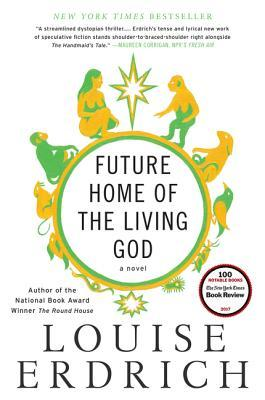
Louise Erdrich’s storytelling talent is simply massive. The concept of FUTURE HOME OF THE LIVING GOD is not a new one. (Preceded by THE HANDMAID’S TALE and other dystopian visions of a future state where childbearing is a tool of terror and the stakes on which social control rest, this novel takes its place among that company.) But here, that concept is merely the frame around a brilliant story that storms through the explosive tension between parents and children, the roles of faith and science during catastrophe, the ingenuity of communities to both protect and persecute. Above all, I think it’s an argument that both heaven and hell can manifest here on earth, through our bodies, our natural surroundings, our relationships, our social fabric, the very lowly ephemera of our lives… and that transitioning between them can happen as quickly and commonly as falling through thin ice to the water below. Moving forward, moving back: where are we going?